Parent Coaching Blog
Explore Jai's Articles on Parent Coaching and it's Empowered Parenting Methodology
Recently Published Articles:
So often, we start with patience. We listen, explain, and give a little more time. Then we hit our limit and snap. Afterward, we feel guilty, so next time we give a little more. Giving in, then clamping down. It can become a predictably uncomfortable cycle. It shows up with toddlers at the playground, teenagers at curfew, students in a classroom, and even partners, colleagues, and clients. We treat kindness and firmness as separate options, trying one and then switching to the other. But we can look for a way forward that respects everyone’s needs. No one has to “lose” for things to get done.

Earn your parenting coach certification online with flexible, accessible, and supportive training from Jai.
Many people still believe the old idea that children need a certain amount of harshness to prepare them for the “real world.” They think that if we’re too understanding, they’ll become overly sensitive (as if sensitivity is a bad thing). They think that if we offer too much compassion, kids won’t learn responsibility. And they’re sure that if we don’t toughen them up, life will, so we’d better take care of it ourselves. All of these beliefs irk me, if I’m honest. They’re just not rooted in what the research says. It’s time to break these cycles if we want to raise children who are truly resilient and who also deeply know how loved they are. Whether you’re raising children, teaching them, caring for them, or supporting families professionally, you have an opportunity to help children develop the skills they’ll need for a complicated world without asking them to become less of who they are to survive it. We can prepare children to face difficulty while also teaching them empathy. We can build resilience without dismissing emotion. We can hold healthy limits without humiliation or fear. Most importantly, we can help children become strong enough not only to navigate the world as it is, but to contribute to the kind of world we hope it can become.
Many adults carry an unspoken (and unrealistic) standard into their relationships with children. Stay calm (no matter what). Say the right thing (always). Respond with empathy (and never anything else). Don’t lose your patience (ever). Basically…be impossibly perfect like a textbook parent rather than one who’s actually human . It’s a beautiful intention to want to show up with care, but when that intention turns into a demand for perfection, it can create shame, pressure, and fear around getting it wrong. And we will get it wrong (I know I do, anyway). Parents will raise their voices or become impatient. Teachers and caregivers will misunderstand. Coaches and other helping professionals will miss something important. We’re human. The health of a relationship isn’t measured by the absence of difficult moments. It’s shaped, in part, by what happens next.

Real life parenting scenarios from within the coaching world of Jai
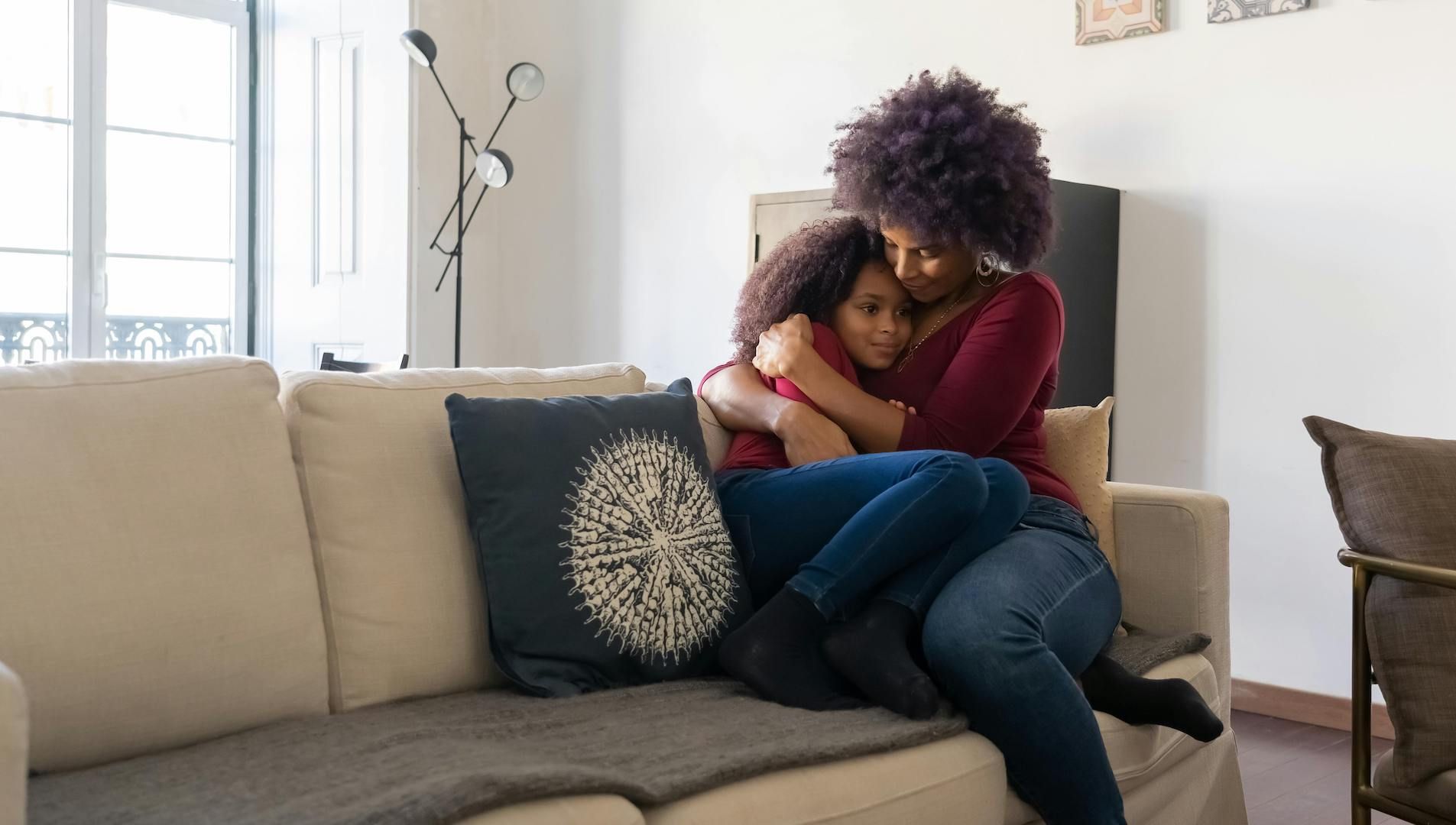
Did you "break" your child after losing your patience? Dr. Deb Zupito explores why repair, not perfection, defines great parenting.
Discover how a pediatrician transformed her parenting by changing her communication style, reducing yelling, and creating more meaningful connections with her children.

Explore how open communication and authenticity in empowered parenting foster respect and trust, helping children build meaningful relationships and recognize genuine connections.

Explore the complexities of parenting and how parenting styles impact a child's emotional intelligence and creativity. The author shares personal experiences, beginning with dreams of a large family and evolving through the challenges of balancing parenting and life. Learn how the Jai Institute's tools transformed daily struggles into rewarding moments for this family.

A personal story of breaking free from toxic family patterns, healing inner wounds, and embracing empowered parenting. Discover how I reparented myself and started raising my son with love, respect, and connection, transforming my family's future.

Discover resilience and healing in the face of adversity. Follow one parent's journey through their child's illness, self-discovery, and transformation. Learn how to navigate life's challenges gracefully and find strength in vulnerability.

Discover the raw journey of a parent coach confronting generational patterns, embracing imperfection, and laying the foundation for healing in parenthood.

Discover the journey of a mother navigating generational trauma and striving for peaceful parenting. Witness her honest struggle to break patterns ingrained by society and childhood while aiming for authenticity and acceptance.
Explore the challenges of balancing the demands of motherhood with personal needs and the guilt that often accompanies these struggles. Acknowledging and addressing personal needs is not only vital for personal well-being, it also enhances your connection with your children. Discover a more forgiving and understanding approach to the challenges of motherhood!
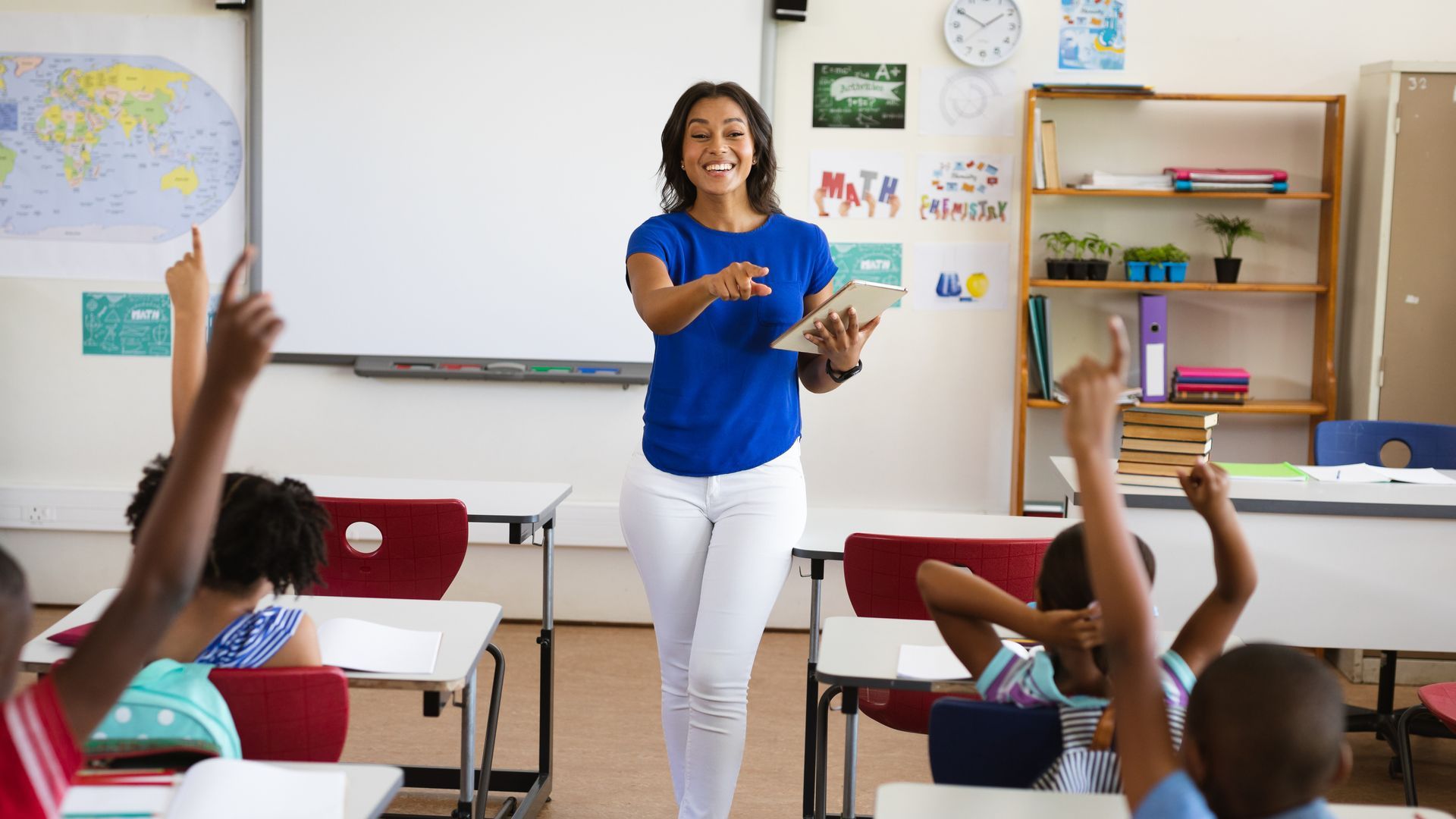
Discover the journey of a teacher's transformation from feeling overwhelmed to empowered in managing classroom dynamics. Learn how emotional intelligence became the key to turning challenges into opportunities for growth and connection. This insightful article delves into the subtle yet profound shifts in awareness, self-regulation, and modeling that led to a more harmonious learning environment. Explore practical strategies rooted in personal reflection and professional development, offering a beacon of hope for educators facing similar struggles.
Finding balance between your role as a parent and your individuality can be challenging. Navigate the feelings of guilt, frustration, and shame and embrace your emotions throughout your parenting journey by learning to set boundaries, engaging in playful parenting, connecting more with your children, and investing in quality time. Discover tools to empower yourself as a parent and create space for your own needs.