

Parent Coaching Blog
Explore Jai's Articles on Parent Coaching and it's Empowered Parenting Methodology


Recently Published Articles:

Many adults carry an unspoken (and unrealistic) standard into their relationships with children. Stay calm (no matter what). Say the right thing (always). Respond with empathy (and never anything else). Don’t lose your patience (ever). Basically…be impossibly perfect like a textbook parent rather than one who’s actually human . It’s a beautiful intention to want to show up with care, but when that intention turns into a demand for perfection, it can create shame, pressure, and fear around getting it wrong. And we will get it wrong (I know I do, anyway). Parents will raise their voices or become impatient. Teachers and caregivers will misunderstand. Coaches and other helping professionals will miss something important. We’re human. The health of a relationship isn’t measured by the absence of difficult moments. It’s shaped, in part, by what happens next.

It is easy to imagine that meaningful connection requires more time, the “perfect” outing, or some Pinterest-worthy family activity. Or maybe we’re searching for the moment when everyone is rested, cooperative, and fully present. But so much of our relationships happen in spaces that don’t look particularly remarkable while we are living them. The bedtime conversation that stretches five minutes longer than expected. The same joke told for the hundredth time. (My favorite is “finding” the street lamp with the word “locate” spray-painted next to it, while on our family walks every night. I’m super good at finding it!) A child asking you to watch something they have already shown you. The drive to school. Whether you are raising children yourself or supporting them as an educator, caregiver, coach, clinician, or another trusted adult, these seemingly ordinary interactions matter. Connection is rarely built through one extraordinary moment. It is built through thousands of small ones.
When something is not working with a child, it is natural to look for a strategy. What should I say? How do I get them to listen? How can I stop this from happening again? Whether you are a parent, educator, caregiver, coach, clinician, or another adult who supports children, there is no shortage of techniques available for navigating difficult moments. Strategies may seem helpful, but they often distract us from something much more powerful. More critical and effective is to look at the relationship. Children are continually learning whether the adults around them are safe to come to, willing to listen, interested in understanding them, and able to stay connected even when things are hard. That connection becomes the ground from which guidance can grow.
Adults often expect important conversations to begin with words. We ask children how their day was, what happened, why they seem upset, or whether something is bothering them. Sometimes they answer. Often, they say, “I don’t know,” shrug their shoulders, change the subject, or ask us to play instead. It can be easy to interpret that invitation as unrelated to what they are carrying. Yet play is one of the primary ways children communicate, process experiences, and reconnect after time apart. A child who asks you to build blocks, chase them through the house, draw together, watch what they can do, or play a game together may be asking for more than entertainment. They may be saying, “Come close. Help me feel like myself again. Show me that you have time for my world.”

Real life parenting scenarios from within the coaching world of Jai
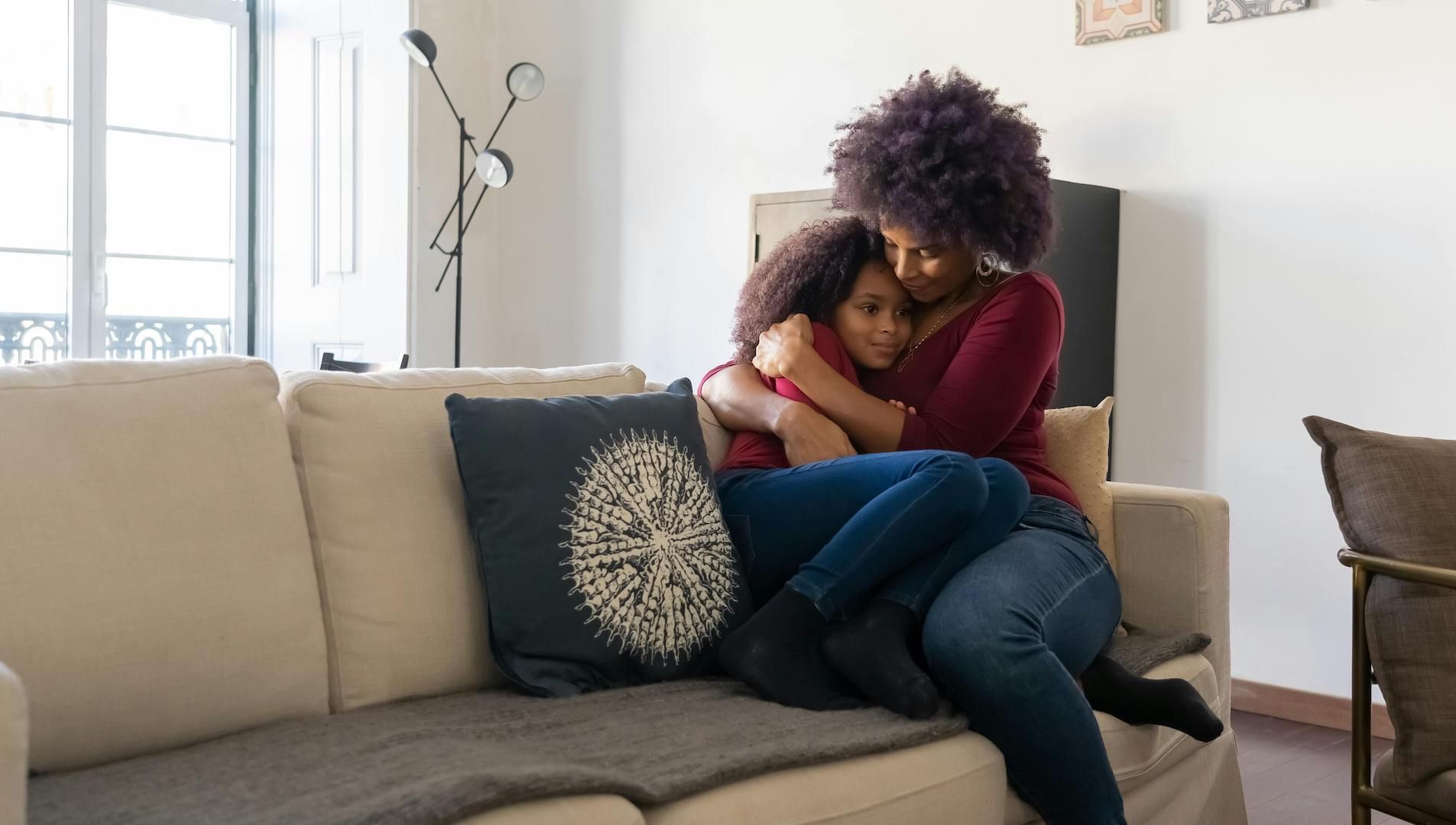
Did you "break" your child after losing your patience? Dr. Deb Zupito explores why repair, not perfection, defines great parenting.

Discover how a pediatrician transformed her parenting by changing her communication style, reducing yelling, and creating more meaningful connections with her children.

Explore how open communication and authenticity in empowered parenting foster respect and trust, helping children build meaningful relationships and recognize genuine connections.

Explore the complexities of parenting and how parenting styles impact a child's emotional intelligence and creativity. The author shares personal experiences, beginning with dreams of a large family and evolving through the challenges of balancing parenting and life. Learn how the Jai Institute's tools transformed daily struggles into rewarding moments for this family.

A personal story of breaking free from toxic family patterns, healing inner wounds, and embracing empowered parenting. Discover how I reparented myself and started raising my son with love, respect, and connection, transforming my family's future.

Discover resilience and healing in the face of adversity. Follow one parent's journey through their child's illness, self-discovery, and transformation. Learn how to navigate life's challenges gracefully and find strength in vulnerability.

Discover the raw journey of a parent coach confronting generational patterns, embracing imperfection, and laying the foundation for healing in parenthood.

Discover the journey of a mother navigating generational trauma and striving for peaceful parenting. Witness her honest struggle to break patterns ingrained by society and childhood while aiming for authenticity and acceptance.
Explore the challenges of balancing the demands of motherhood with personal needs and the guilt that often accompanies these struggles. Acknowledging and addressing personal needs is not only vital for personal well-being, it also enhances your connection with your children. Discover a more forgiving and understanding approach to the challenges of motherhood!
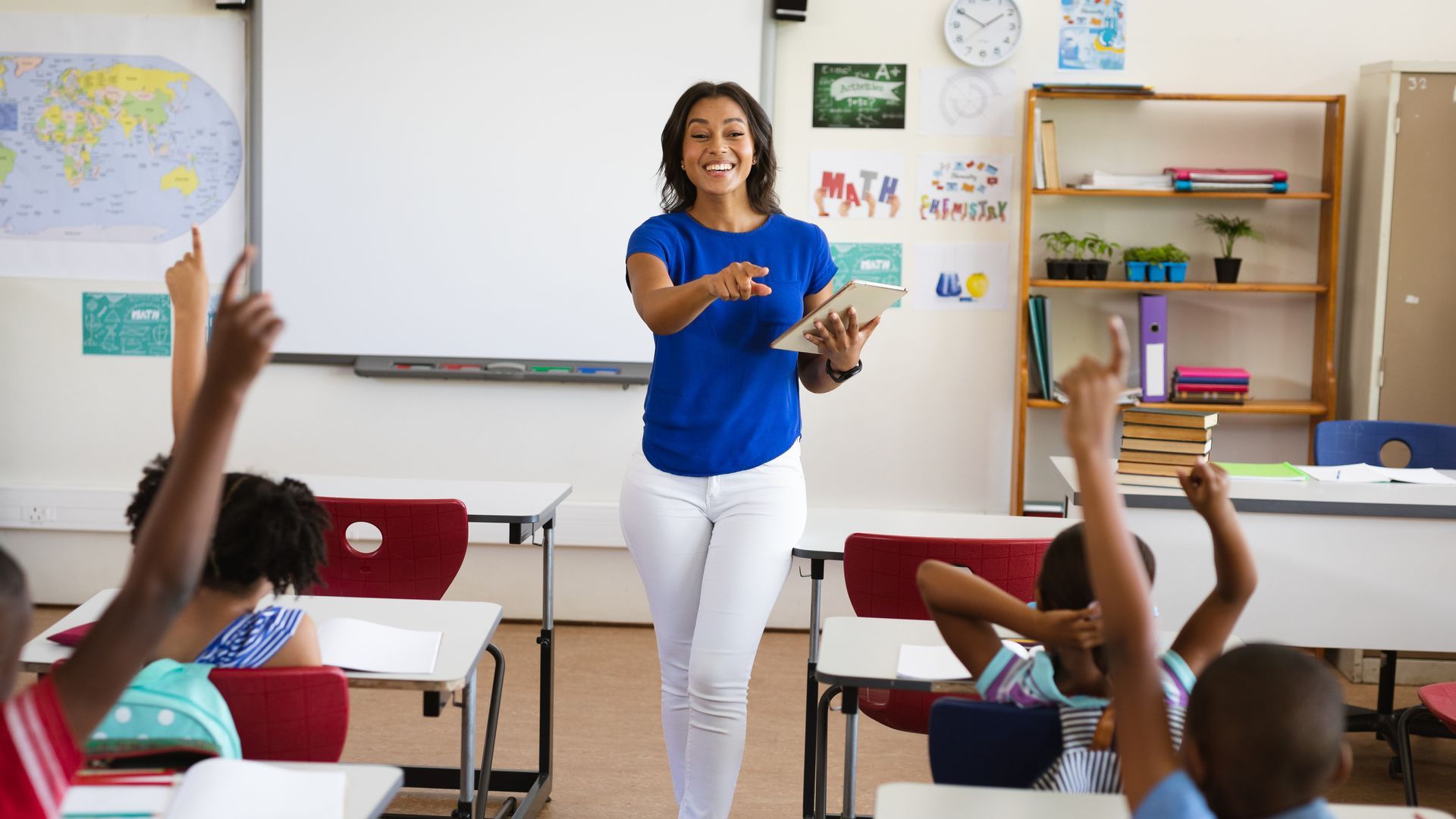
Discover the journey of a teacher's transformation from feeling overwhelmed to empowered in managing classroom dynamics. Learn how emotional intelligence became the key to turning challenges into opportunities for growth and connection. This insightful article delves into the subtle yet profound shifts in awareness, self-regulation, and modeling that led to a more harmonious learning environment. Explore practical strategies rooted in personal reflection and professional development, offering a beacon of hope for educators facing similar struggles.
Finding balance between your role as a parent and your individuality can be challenging. Navigate the feelings of guilt, frustration, and shame and embrace your emotions throughout your parenting journey by learning to set boundaries, engaging in playful parenting, connecting more with your children, and investing in quality time. Discover tools to empower yourself as a parent and create space for your own needs.